


East Africa packs more natural variety into a single region than almost anywhere on Earth. Within a few hours’ flight you can watch a million wildebeest cross a river, sit among mountain gorillas, climb Africa’s highest peak, raft the source of the Nile and unwind on a tropical beach. Choosing among these options is the hard part.
This guide covers the best nature adventure tours in East Africa, from classic safaris to primate treks, mountain climbs and water adventures. It explains what each offers, when to go, roughly what to budget and how to combine experiences into one journey.
What Makes East Africa Special?
Scale and diversity. Open savannah, volcanic highlands, rainforest, glacier-capped mountains, freshwater lakes and coral coast all lie within the same region. Few other places let you move from a lion pride to a gorilla family to a snowfield in a single trip.
Iconic wildlife. Lions, elephants, leopards, buffalo, rhinos, giraffes and cheetahs roam the plains, while mountain gorillas and chimpanzees live in the forests. The annual Great Migration is among the largest wildlife movements on the planet.
Strong conservation models. Permit systems, community conservancies and protected areas fund anti-poaching work and local development. Tourism is a direct reason many species survive.
Flexible travel styles. You can join a group camping safari, hire a private 4×4 and guide, stay at a boutique lodge or fly between luxury camps.
1. Serengeti and Ngorongoro, Tanzania: The Classic Safari
Tanzania’s northern circuit is the benchmark for many safari travellers. The Serengeti is vast and rich in predators, and its seasonal movements of wildebeest, zebra and gazelle drive the ecosystem. The nearby Ngorongoro Crater, a collapsed volcanic caldera, packs dense wildlife into a compact bowl, with lions, hippos, buffalo, elephants and a chance of seeing black rhino.
Highlights: Game drives, the Great Migration, hot-air balloon flights and Tarangire’s elephants and baobabs.
Best time: June to October is the main dry season and the best period for river crossings. December to March is good for calving on the southern plains.
Budget note: Park fees in the flagship parks are high and fixed. Published 2026 figures put the daily adult fee in the Serengeti and Ngorongoro at roughly $80 or more, and many operators quote overall safari costs from a few hundred to well over a thousand dollars per person per day depending on comfort level. Verify current rates with your operator.
2. Maasai Mara, Kenya: Big Cats and River Crossings
The Maasai Mara is Kenya’s most famous reserve and the northern extension of the Serengeti ecosystem. It is known for lion, leopard and cheetah sightings and for dramatic Mara River crossings during the migration season.
Highlights: Game drives, cultural visits to Maasai communities, balloon safaris and conservancy stays that offer quieter, more exclusive wildlife viewing.
Best time: July to October for the migration, though big cats can be seen year-round.
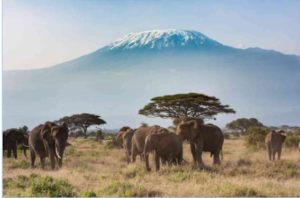
Why choose Kenya: Distances are shorter, flights from Nairobi are frequent and the range of lodges and conservancies is wide. Many travellers combine the Mara with Amboseli, where elephants walk beneath Mount Kilimanjaro, and with Lake Nakuru or Laikipia for rhinos and varied habitats.
3. Mountain Gorilla Trekking: Rwanda and Uganda
Few experiences match an hour with a mountain gorilla family. Gorillas live in the Virunga volcanoes, shared by Rwanda, Uganda and the Democratic Republic of Congo, and in Uganda’s Bwindi Impenetrable Forest.
Rwanda: Volcanoes National Park is about three hours from Kigali. Treks are generally shorter and the terrain more open. The permit is priced at about $1,500 per foreign non-resident.
Uganda: Bwindi and Mgahinga offer more gorilla families and a lower permit price, reported at about $800 in high season and lower in discounted months. Treks can be longer and steeper, and the forest is denser. Uganda also offers a longer habituation experience in Bwindi’s Rushaga sector, at a higher price.
Rules: Groups are limited to eight visitors, the standard encounter lasts one hour and the minimum age is typically 15. Permits sell out, so book early.
Best time: June to September and December to February are the main dry seasons, though gorillas can be trekked year-round.
4. Chimpanzee and Primate Tracking
Chimpanzees offer a livelier counterpart to the gorillas. Uganda’s Kibale Forest is a top site, with permits around $250 and an extended habituation option at around $300, while Rwanda’s Nyungwe Forest offers a steeper, more remote alternative alongside a famous canopy walkway. Golden monkeys, colobus monkeys and many other primates add variety. Permit prices change, so confirm them before booking.
Best for: Travellers who want a primate-focused trip on a smaller budget than gorillas alone, or those combining chimps with gorillas.
5. Akagera and Other Savannah Parks in Rwanda and Uganda
Rwanda’s Akagera National Park offers a compact savannah safari within about two and a half hours of Kigali, with elephants, giraffes, zebras, hippos, lions and birdlife. In Uganda, Queen Elizabeth National Park combines game drives with boat cruises on the Kazinga Channel, while Murchison Falls offers a boat trip to the base of a thundering waterfall on the Nile.
Best for: Travellers who want classic safari scenes without long transfers or the cost of the largest parks, and those adding savannah wildlife to a gorilla trip.
6. Kilimanjaro and Mount Kenya: Mountain Adventures
East Africa’s mountains reward those who like to walk.
Mount Kilimanjaro (Tanzania): Africa’s highest peak can be climbed on several routes without technical mountaineering skills, but altitude demands respect. Itineraries of seven to nine days improve acclimatisation and success rates.
Mount Kenya: Less crowded than Kilimanjaro, with technical and non-technical routes through varied ecosystems.
Rwenzori Mountains (Uganda): The legendary “Mountains of the Moon” offer multi-day treks through glacial valleys, giant lobelias and alpine moorland.
Best time: January to March and June to October are generally the drier windows, though conditions vary by mountain.
7. Water-Based Adventures
Whitewater rafting at Jinja, Uganda: The source of the Nile offers some of the best rafting in Africa, plus kayaking, quad biking and bungee jumping.
Lake Victoria, Lake Kivu and Lake Bunyonyi: Calm, scenic lakes for canoeing, kayaking, cycling and lakeside relaxation.
Indian Ocean coast: Zanzibar, Kenya’s coast and Tanzania’s islands offer snorkelling, diving and beach recovery after a safari.
8. Birdwatching and Specialist Tours
East Africa is a world-class birding region, with national bird lists in the hundreds or well over a thousand. Rift Valley lakes in Kenya host flamingos, Uganda is famed for the shoebill stork and Albertine Rift endemic, and Rwanda’s Nyungwe protects numerous restricted-range species. Photography safaris, walking safaris and family safaris are other specialist formats offered by many operators.
How to Choose the Right Tour
By interest:
- Big cats and migration: Serengeti or Maasai Mara
- Primates: Rwanda and Uganda
- Mountains: Kilimanjaro, Mount Kenya or Rwenzori
- Adventure sports: Jinja
- Relaxation: Zanzibar or Lake Kivu
By time:
- Four to five days: Serengeti and Ngorongoro, or a Rwanda gorilla break
- Seven to ten days: Combine a savannah park with a primate trek
- Two weeks or more: Link two or three countries, such as Kenya, Tanzania and Rwanda or Uganda
By budget:
- Group camping safaris and budget lodges lower costs.
- Mid-range lodges balance comfort and value.
- Luxury lodges and fly-in safaris suit travellers who prioritise exclusivity.
Best Time to Visit East Africa
There is no single best month, but general patterns help.
- June to October: Dry season across much of the region and prime time for safaris, the Great Migration and gorilla trekking. It is also the busiest and most expensive period.
- December to February: A second dry spell, with warm weather and good wildlife viewing. Southern Serengeti calving usually takes place around February.
- March to May: Long rains. Landscapes are green and quieter, rates are lower and some roads and camps are affected.
- October to November: Short rains, usually brief, with fewer visitors.
Book gorilla permits and top lodges many months ahead, especially for peak periods.
Planning and Preparation
Documents and health. Check visa rules for each country, and consider the East African Tourist Visa if it applies to your route. Consult a travel clinic about vaccinations and malaria prevention, and carry travel insurance that covers medical evacuation.
Packing. Pack neutral-coloured, lightweight layers, a warm jacket for cool mornings, sturdy walking boots, a wide-brimmed hat, sunscreen, insect repellent and binoculars. Use soft-sided bags for light aircraft.
Fitness. Safari game drives are relaxed, but gorilla treks, chimp tracking and mountain climbs require stamina. Build fitness with hill walking and stair climbing in the months before.
Choosing an operator. Look for licensed operators with recent reviews, clear pricing, sound safety practices and fair treatment of staff. Confirm permits before paying in full, check cancellation terms and ask what is included, such as park fees, transfers, meals, guides and tips.
Travel responsibly. Follow wildlife rules, respect local customs, support community projects and avoid single-use plastics. Tourism revenue is central to the future of these ecosystems.
Sample Multi-Country Itinerary
A two-week route combining the best of the region might look like this:
- Days 1–2: Arrive in Nairobi or Kigali, adjust and explore.
- Days 3–5: Maasai Mara or Akagera for savannah wildlife.
- Days 6–8: Fly to Rwanda or Uganda for gorilla trekking.
- Days 9–10: Chimpanzee tracking in Nyungwe or Kibale.
- Days 11–13: Serengeti and Ngorongoro, or Queen Elizabeth and Murchison Falls.
- Day 14: Beach finish in Zanzibar or return flight home.
Adjust the sequence around international flights and park availability, and allow rest days to avoid exhaustion.
Conclusion
The best nature adventure tours in East Africa combine wildlife, landscape and culture in a way few regions can match. Tanzania and Kenya deliver the iconic savannah and the Great Migration, Rwanda and Uganda offer unforgettable primate encounters, and the region’s mountains, lakes and coast add endless variety. The right choice depends on your interests, time and budget, but careful planning matters most. Choose your season, book permits and lodges early, prepare physically, work with a reputable operator and travel with respect. East Africa will reward you with memories that last a lifetime.
Key Takeaways
- East Africa offers savannah safaris, gorilla and chimp trekking, mountain climbs, water adventures and beaches in one region.
- Serengeti and Ngorongoro (Tanzania) and the Maasai Mara (Kenya) are the classic migration and big cat destinations.
- Rwanda and Uganda are the leading countries for mountain gorillas and chimpanzees, with permit prices of roughly $1,500 and $800 respectively for gorillas. Verify current rates.
- Kilimanjaro, Mount Kenya and the Rwenzoris offer varied mountain treks.
- June to October is the main dry season, but each activity has its own best window.
- Book early, confirm permits and prices, prepare physically and use a licensed operator.
- Combining two or three destinations creates the most rewarding itinerary.
Frequently Asked Questions
- What is the best nature adventure tour in East Africa?
It depends on your interests. The Serengeti and Maasai Mara are best for classic safaris, while Rwanda and Uganda are best for gorillas and chimpanzees. - When is the best time to visit?
June to October is the main dry season, and December to February is another good window. Wetter months offer lower prices and quieter parks. - How many days do I need?
Five to seven days covers a single highlight, while ten to fourteen days allows a combination of safari and primate trekking. - How much does a gorilla trek cost?
Permits are about $1,500 in Rwanda and about $800 in Uganda for foreign non-residents, with a discount in some Ugandan low-season months. Always confirm current rates. - Is Tanzania or Kenya better for safari?
Both are excellent. Tanzania offers vast, less crowded parks, while Kenya offers shorter distances and strong conservancy options. Many travellers visit both. - Can I combine East African countries in one trip?
Yes. Regular flights and land borders make multi-country itineraries straightforward, and the East African Tourist Visa may simplify entry for some routes. - Do I need to be very fit?
Not for game drives, but gorilla treks, chimp tracking and mountain climbs require moderate to good fitness. - Is East Africa safe for tourists?
Millions of visitors travel safely each year. Check current government travel advice, use a licensed operator and follow guide instructions. - What vaccinations do I need?
Requirements depend on your nationality and route. Consult a travel clinic well before departure, and ask about malaria prevention. - How should I book?
Use a licensed operator, confirm permits and lodge reservations in writing and request an itemised quote that states inclusions, exclusions and refund terms.